Top 5 AC Problems Miami Homeowners Report Every Fall
Published: 2026-07-06 · By AC Repair by CoolQuest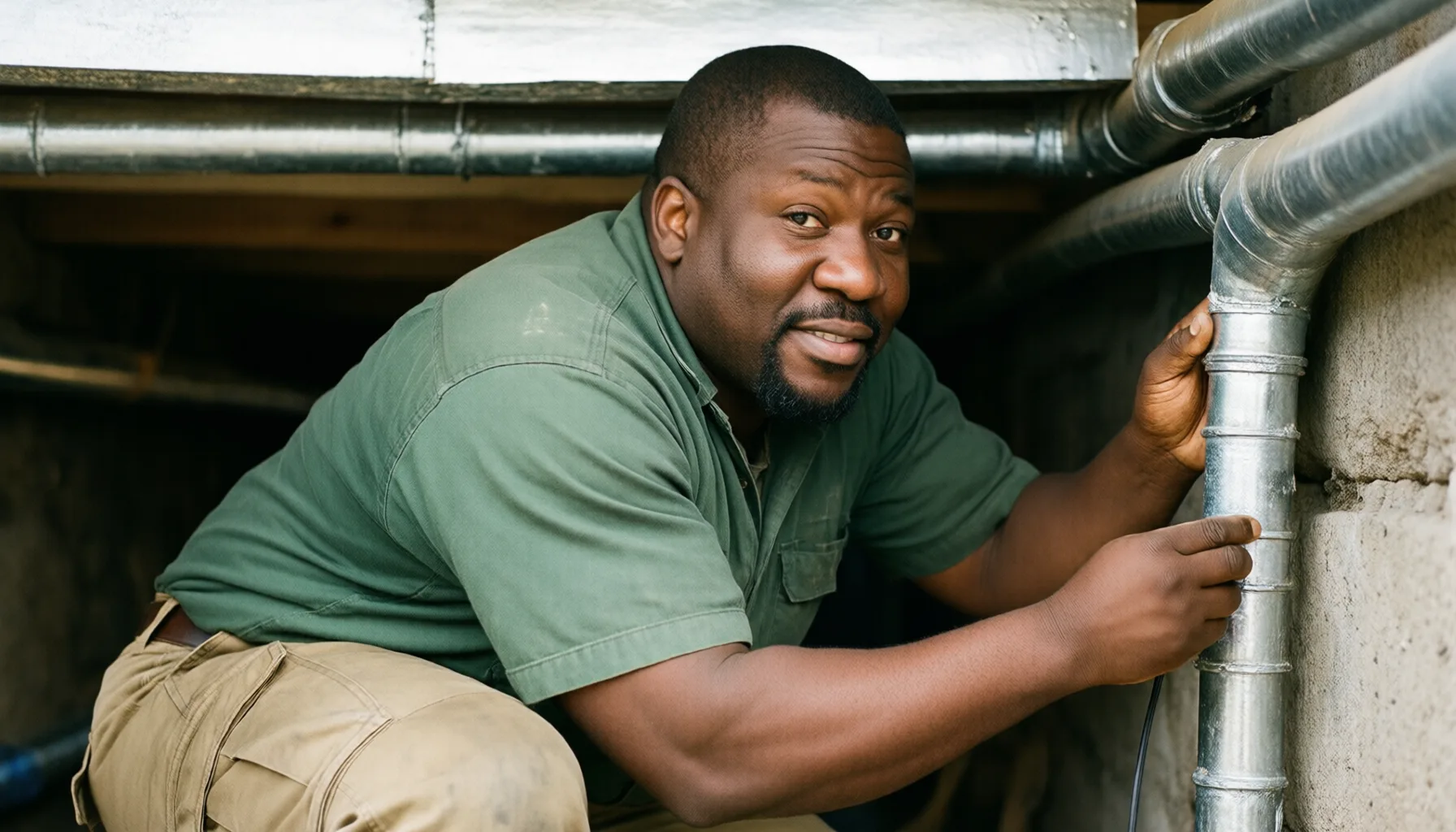
As Miami's summer heat transitions into the fall, many homeowners start to notice subtle shifts in their air conditioning systems. Perhaps your unit seems less responsive or the air isn't as cool as it used to be. These changes can signal underlying issues that are common during this season, especially with the high humidity and salt air typical of South Florida. Understanding these seasonal problems can help you take proactive steps to ensure your home remains comfortable and your AC unit operates efficiently well into the winter months.
Why This Matters for Miami Homeowners
In Miami's tropical climate, air conditioning systems face unique challenges. Humidity is consistently high, leading to increased moisture levels inside your unit. This can cause rust and corrosion, especially on metal components. The effects of salt air in coastal regions contribute to accelerated aging and damage to your HVAC system. Homeowners report issues such as refrigerant leaks and compressor failures, which can worsen if not addressed promptly.
Additionally, the seasonal shift often brings about storms, increasing the likelihood of wind and water damage. Regular maintenance becomes crucial, as failure to keep your unit in good condition can lead to costly repairs down the line. Understanding these specific problems allows you to tackle issues head-on before they escalate.
Expert Solutions & Actionable Tips
1. Watch for Refrigerant Leaks
Refrigerant leaks are among the most reported issues as temperatures start to fall. In Miami, the humidity doesn't let up, and any minor leak can lead to significant cooling problems. A refrigerant recharge typically costs between $150 and $400, depending on the amount needed.
Addressing these leaks early on can prevent compressor damage. Make it a priority to inspect your unit regularly for signs of refrigerant issues, such as ice buildup on the coils or your unit running constantly without cooling effectively.
2. Check for Clogged Drain Lines
With the increase in humidity, clogged drain lines can become an all too common problem. These lines can become blocked with algae, dust, or debris, causing water to back up and potentially damaging your system. Cleaning these lines generally costs around $75 to $150.
A maintenance tip: ensure that your drain line is clear before the heavy rains hit Miami each fall. Regular cleanings can prevent larger issues that could cost you hundreds of dollars in repairs.
3. Consider Condenser Coil Cleaning
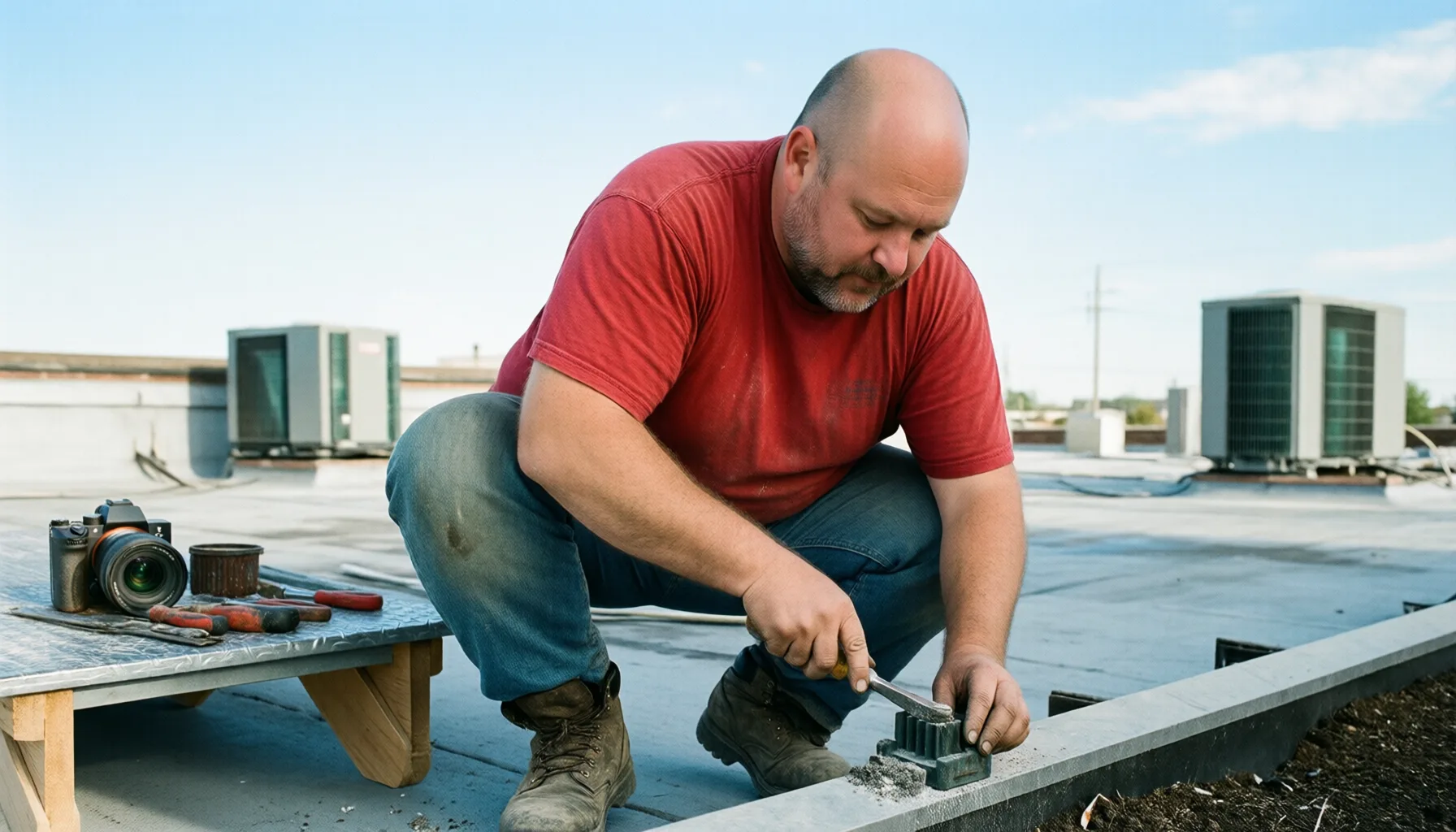
Salt and moisture can wreak havoc on the condenser coils of your air conditioning system, reducing efficiency and increasing energy bills. Cleaning these coils is essential, particularly in coastal homes. A professional cleaning usually ranges from $100 to $200.
Taking the time to clean your coils not only improves energy efficiency but can also prolong the life of your unit, making it a worthwhile investment.
4. Inspect Ductwork for Moisture Damage
In Miami's humid climate, moisture can accumulate in ductwork, leading to potential mold growth and decreased indoor air quality. Regular inspections can help identify these issues early, often costing around $200 to $400 for a thorough assessment.
Be proactive about keeping your ducts clean and dry. This task is especially important before the fall, as you aim to maintain a healthy living environment and efficient airflow.
5. Upgrade to a Smart Thermostat
As Miami homeowners seek energy efficiency, upgrading to a smart thermostat can help monitor and adjust your home's temperature effectively. These devices typically range from $100 to $250 and can save you money in the long run through optimized energy use.
A smart thermostat allows for remote access and tracking, giving you insight into your energy consumption and helping to prevent overuse of your AC unit.
6. Keep Outdoor Units Clear
Overgrown vegetation can obstruct outdoor units, significantly lowering efficiency. In Miami, it's crucial to keep at least two feet of clearance around your AC unit. This simple task can help mitigate costs associated with repairs or replacements. Clearing debris should be part of your maintenance routine.
Investing a little time in ensuring your unit has space to breathe can lead to better performance and lower energy costs throughout the fall season.
Miami Climate & Local Context
Miami's tropical climate creates a unique environment for homeowners. The high humidity levels mean that air conditioning systems have to work hard year-round, making regular maintenance essential. Elevated homes often feature moisture barriers to fight dampness, but even well-constructed properties can suffer from AC-related issues if not adequately cared for.
Local building codes may require specific safety measures or permits for any substantial modifications or repairs to AC systems. It's crucial to remain compliant to avoid potential fines or safety issues, especially when storms hit. Understanding local regulations will not only help you maintain your property but will also ensure your system operates safely and effectively.
When to Call a Professional
Deciding whether to tackle an AC issue yourself or call in an expert hinges on the problem's complexity. Basic tasks, like changing filters or checking the thermostat, can typically be handled without professional help. However, homeowners should recognize when it's necessary to seek assistance.
- Strange noises when the unit operates
- Unexplained increases in energy bills
- Water pooling near the unit
- Persistent bad odors emitting from the system
- Inconsistent cooling or heating
- Frequent circuit breaker trips
For issues like refrigerant leaks or electrical problems, professional intervention offers peace of mind. Expert technicians know local regulations and can perform repairs safely, protecting both your home and your investment.
Frequently Asked Questions
How often should I schedule maintenance for my AC unit?
It's generally advisable to have a professional inspect your AC unit at least twice a year, ideally before the summer and fall seasons, to ensure everything operates smoothly.
What are common signs that my AC needs repair?
Common signs include strange noises, insufficient cooling, and unexplained increases in energy bills, particularly during Miami's humidity peaks.
Can I DIY air conditioning repairs?
While minor tasks like changing filters are manageable, more complex issues should be handled by professionals to ensure safety and compliance with local codes.
How long do AC units typically last in Miami's climate?
In humid and coastal areas like Miami, a well-maintained AC unit may last approximately 10 to 15 years, but salt air and humidity can shorten this lifespan without proper care.
What is the average cost of AC repair in Miami?
The price for AC repairs can vary widely based on the issue, with average costs ranging from $100 to over $1,000 depending on parts and labor required.
Get Expert Air Conditioning Repair Service in Miami
If you're concerned about your AC unit's performance this fall, don't hesitate to reach out. Call (786) 730-9792 to consult with AC Repair by CoolQuest. Our team is ready to help Miami homeowners maintain their comfort throughout the changing seasons.
Stay cool and prepared; we’re just a phone call away to assist you with your air conditioning repair needs.